Why Are Manufacturers Under Increasing Cost and Visibility Pressure in 2026?
Manufacturers are entering 2026 under sustained pressure from rising costs, labor constraints, and increasing demands for real-time operational data. What was once considered an emerging technology has now become a proven enabler of visibility and automation across manufacturing workflows. RFID has reached a level of maturity that enables organizations to move beyond pilots and into scalable deployments, delivering measurable operational and financial impact.

Why Has Cost Control Become a Strategic Priority for Manufacturers in 2026?
The manufacturing landscape has undergone significant shifts over the past few years. Tariffs, geopolitical uncertainty, and reshoring initiatives are reshaping supply networks, while regulatory and customer-driven compliance requirements are accelerating the digitalization of these networks.
According to Carl Kallen, General Manager for Lyngsoe Systems North America, “RFID has moved well beyond the science-project phase. It is stable, standardized, and ready to scale across manufacturing operations.”
This shift is critical as manufacturers increasingly rely on trusted, real-time data to support automation, analytics, and AI-driven decision-making.
How Is Technology Convergence Transforming Manufacturing Visibility?
At the same time, technology convergence is changing how visibility is achieved. RFID no longer operates in isolation. It works alongside IoT sensors, vision systems, and analytics platforms to create automated, hands-free workflows.
Zebra Technologies has seen this evolution firsthand. As Chris Treadway, Director of Manufacturing Sales at Zebra Technologies, explains, “When you think of Zebra, think in three pillars: asset visibility, the augmented frontline worker, and smart solutions. RFID is a key foundation across all three.”
By combining hardware, software, and data capture technologies, manufacturers gain a complete and actionable view of their operations.

Why Is Inventory Accuracy One of the Fastest Drivers of RFID ROI?
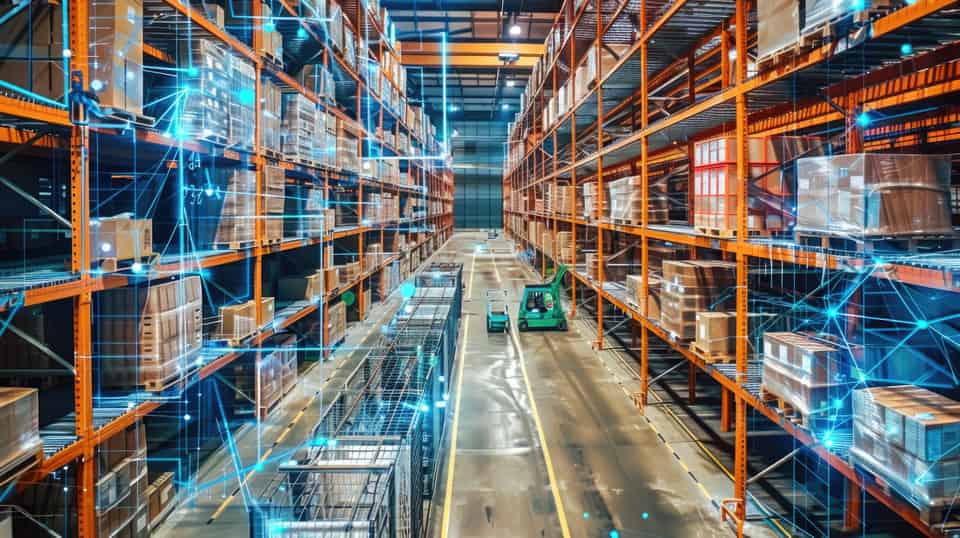
One of the most immediate value drivers for RFID adoption is inventory accuracy. Manual processes and barcode-only environments struggle to keep pace with high-volume, fast-moving operations. RFID enables automated data capture at dock doors, production lines, conveyors, and storage locations, delivering near-perfect inventory accuracy.
“If I can’t see it, I can’t manage it, and if I can’t manage it, I can’t optimize it,” Kallen notes.
With real-time visibility into inbound materials, work-in-process, and finished goods, manufacturers can reduce safety stock, avoid emergency purchases, and improve space utilization.
What Hidden Costs Are Associated with Returnable Transport Items (RTIs)?
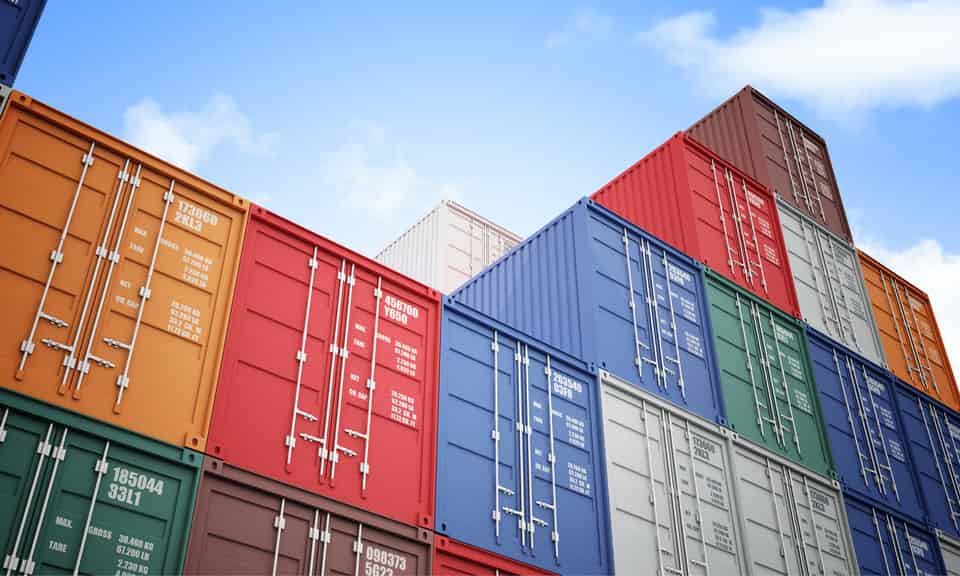
Returnable Transport Items (RTIs) represent another critical area of impact. Containers, totes, pallets, and racks are essential but often overlooked assets that quietly accumulate cost through loss, buffer stock, and inefficient utilization. RFID-based RTI tracking provides clarity around asset location, dwell time, and flow patterns.
Treadway highlights that “RTI losses and emergency reorders are hidden costs. RFID brings those costs to the surface and gives manufacturers the data they need to act.”
For industries such as food and beverage, electronics, and specialty manufacturing, RTI visibility often delivers some of the fastest and most tangible ROI.
How Does RFID Help Manufacturers Address Labor Constraints?
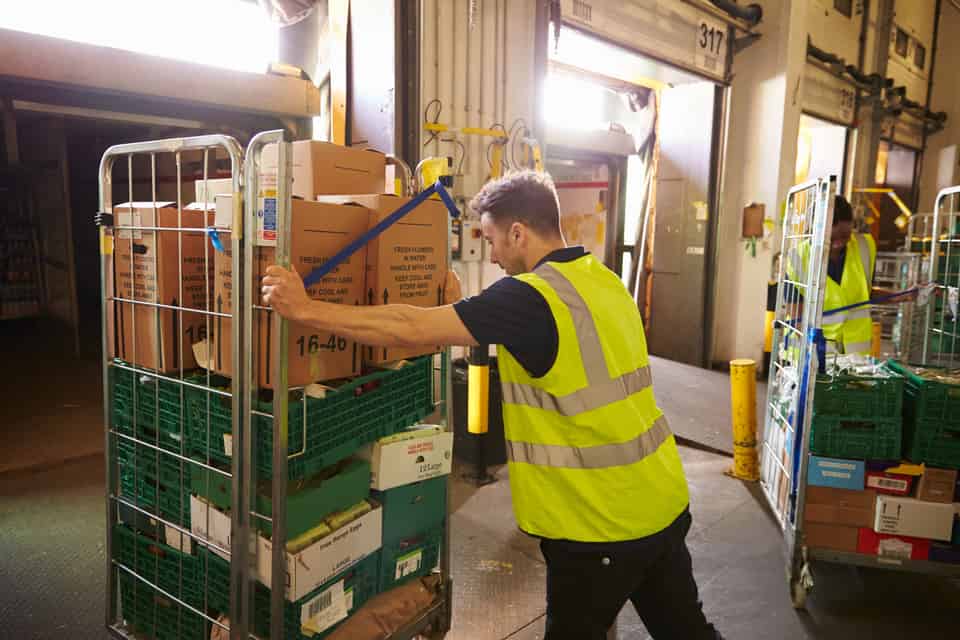
Labor constraints further accelerate the need for automation. Training times, absenteeism, and peak-season staffing challenges continue to strain manufacturing operations. RFID supports the augmented frontline workers by removing manual scanning steps and reducing reliance on human intervention. Multimodal solutions, such as RFID combined with cameras on forklifts or at pack stations, validate movements automatically and flag exceptions in real time.
“The goal isn’t to replace workers,” Treadway explains, “but to give them tools that make their jobs easier, safer, and more productive.”
How Does RFID Strengthen Operational Resilience and Data-Driven Decision-Making?
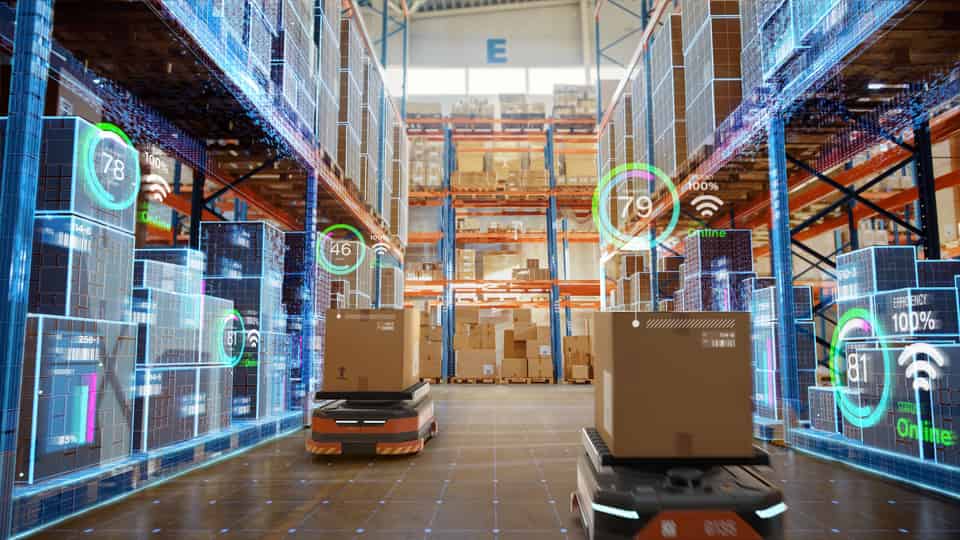
Beyond cost control and efficiency, RFID strengthens operational resilience. With accurate, real-time data, manufacturers can respond faster to disruptions, demand spikes, and supply variability. RFID-enabled data streams support AI-driven analytics, predictive insights, and automated workflows.
As Kallen summarizes, “Without reliable data, everything downstream breaks. Visibility is becoming a competitive differentiator, and RFID is a key foundation for that advantage in 2026.”
What Should Manufacturers Prioritize When Scaling RFID in 2026?
As manufacturers plan for 2026, RFID stands out as a mature, scalable technology that delivers rapid time to value. By enabling real-time visibility, automating workflows, and reducing hidden costs tied to inventory, labor, and RTIs, RFID supports both operational excellence and long-term resilience.
The next phase is no longer about experimentation. It is about deploying, scaling, and realizing measurable impacts. Manufacturers that invest now will be better positioned to control costs, mitigate risk, and compete in an increasingly data-driven industrial landscape.
Start your Journey Today
See how we help you create efficiency, visibility, and real results. Contact us to learn more.
FAQs
Why is RFID considered a foundation for manufacturing cost control in 2026?
RFID has matured into a reliable, scalable technology that delivers real-time visibility across inventory, work-in-process, finished goods, and returnable assets. By automating data capture and eliminating manual scans, RFID enables near-perfect inventory accuracy, reduces safety stock, prevents emergency purchases, and exposes hidden costs tied to asset loss and inefficiencies. In 2026, this level of visibility is essential for controlling rising operational, labor, and inventory-related costs while supporting automation and data-driven decision-making.
Is RFID a proven and scalable technology for enterprise manufacturing environments?
Yes. RFID is no longer an experimental or pilot-only technology. It is enterprise-ready, standardized, and actively deployed across large-scale manufacturing operations. Advances in RFID tags, readers, and system integration allow manufacturers to scale deployments across multiple sites and workflows. When combined with IoT sensors, vision systems, and analytics platforms, RFID supports secure, hands-free automation that meets the performance and reliability requirements of modern manufacturing environments.
How does RFID support manufacturing resilience and data-driven decision-making in 2026?
RFID provides manufacturers with a trusted, real-time data foundation for faster, more informed decision-making. By delivering continuous visibility into inventory, assets, and material flows, RFID ensures that planning, automation, analytics, and AI-driven systems operate on accurate data. This enables manufacturers to respond quickly to disruptions, demand volatility, and supply variability. In 2026, RFID is not just a visibility tool. It is a critical enabler of operational resilience and consistent execution across complex manufacturing environments.
Trusted by the Best