Accessibility in Libraries: How Libraries Are Creating Better Patron Experiences for Everyone
When you think about accessibility in libraries, what do you picture? Ramps, elevators, and accessible restrooms?
These features are essential, but accessibility today means so much more. Modern libraries are looking beyond physical access and thinking about the complete experience – how people enter a building, navigate a space, interact with technology, find information, and feel included within their local community.
Accessibility in libraries is about removing barriers wherever they exist. Sometimes that means introducing physical improvements, such as step-free access or adjustable equipment. Other times, it means creating digital services that are easier to use, providing quieter spaces for those who need them, or implementing technology that allows patrons to complete everyday tasks independently.
An added benefit is that many accessibility improvements make the patron experience better for everyone. Clear signage helps a first-time visitor find their way around. A simple, intuitive self-service kiosk makes borrowing easier for all patrons. A quieter space can help someone with sensory needs, but it can also provide a better environment for anyone looking to focus.
Rather than being an add-on, accessibility is becoming a core part of how libraries design better experiences for their communities.
Understanding the Different Dimensions of Accessibility in Libraries
Accessibility can mean different things to different people. That’s why modern libraries are increasingly considering four key areas when creating inclusive patron experiences:
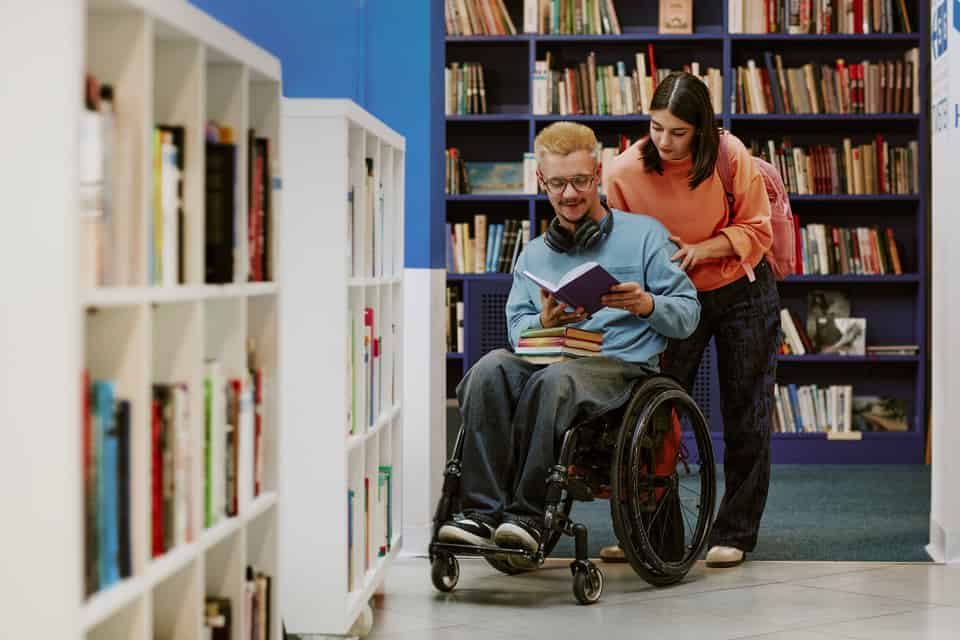
Physical accessibility focuses on ensuring library buildings and services can be used comfortably by people with different mobility needs.
Digital accessibility ensures websites, online catalogs, mobile apps, and digital resources can be accessed by people using assistive technologies or alternative methods of interaction.
Cognitive accessibility considers how easy information and services are to understand, navigate, and use.
Sensory accessibility addresses how library environments support people with different sensory needs, including those who may experience challenges with noise, lighting, or busy spaces.
Together, these create a more complete picture of what accessibility looks like in today’s library.
Designing Library Spaces That Welcome Everyone
Physical accessibility remains a crucial part of inclusive library design, but many libraries are now taking a more holistic approach, incorporating accessibility from the beginning rather than treating it as an afterthought.
This shift is helping libraries create spaces that feel welcoming and intuitive for everyone, regardless of age, ability, or background.
A great example is Helsinki Central Library Oodi in Finland, which was designed as a public space where accessibility is built into the visitor experience. The library includes features, such as tactile guidance paths and maps, Braille signage, induction loops, and accessible facilities throughout the building.
See the accessible design at Helsinki Central Library Oodi →
Oodi demonstrates an important point: accessibility works best when it’s part of the original design thinking, rather than applied after the fact.
For libraries planning renovations or new developments, this approach can influence everything from furniture choices and service desk design to circulation routes and purpose-led spaces.
Making Self-Service Technology Easier for Everyone to Use
Technology has become one of the most powerful tools libraries can use to make services more accessible. When designed well, it can give patrons more independence and flexibility in how they access library resources.
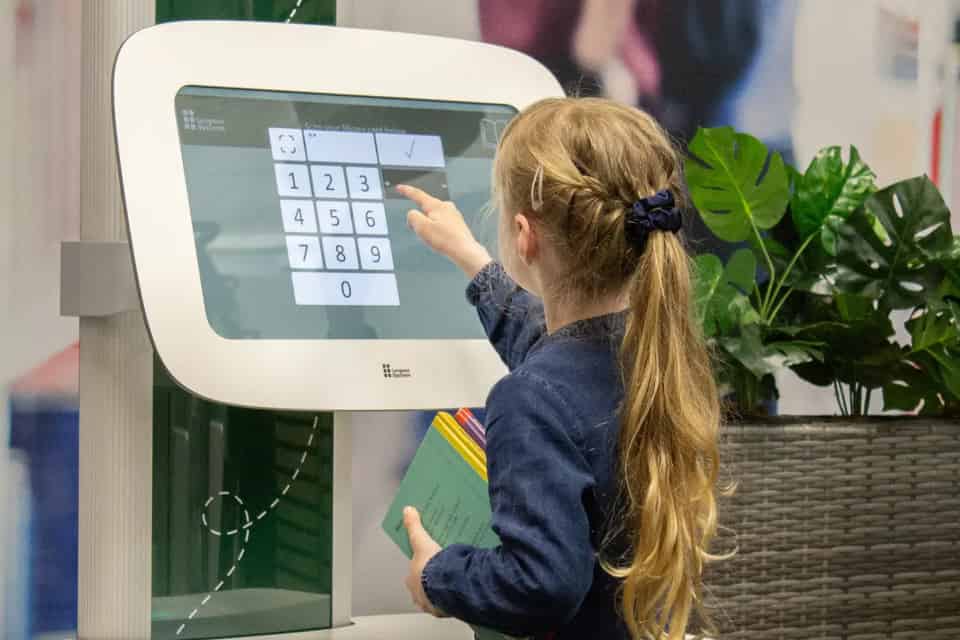
Self-service solutions allow visitors to borrow and return materials, manage accounts, and access services at a time and pace that works for them. However, the technology itself needs to be designed with different user needs in mind.
Accessible self-service technology considers factors such as:
- Simple and intuitive navigation
- Clear instructions and visual feedback
- Readable text and high-contrast displays
- Adaptable equipment, including height-adjustable kiosks
- Compatibility with assistive technologies
These improvements do more than just support users with disabilities. They create smoother experiences for everyone – busy parents, older adults, visitors unfamiliar with technology, and anyone who values a quick and independent way to complete tasks.
For libraries, accessibility and user experience go hand in hand. A service that’s easier to understand and use creates a better experience for every patron.
View our self-service solutions →
Improving Digital Accessibility
Digital accessibility is about more than making online services easier to use. It’s about breaking down the barriers that prevent people from accessing technology, information, and library services in the first place.
For some patrons, this may mean using assistive technology or adapted equipment. For others, it may mean developing digital skills, accessing support from library staff, or finding alternative ways to engage with the library when visiting in person is difficult.
The City of Westminster Libraries and Archives in the UK takes a broad approach to digital access, recognizing that people can experience digital barriers for many different reasons. Alongside digital skills support and initiatives that help people get online, its libraries provide accessibility tools, such as large-print keyboards, hearing loops, and assistive features on public computers.
The library also uses technology to support different ways of accessing library resources, such as a home library service for residents who cannot easily visit a library and an app, which allows patrons to share their access needs before attending the library.
Explore digital access at City of Westminster Libraries and Archives →
This approach highlights an important point: providing access to technology is only part of the picture. The most effective solutions give people different ways to connect with library services based on their individual needs.
Supporting Different Ways of Learning and Processing Information
Accessibility is not only about whether someone can enter a library. It’s also about whether they can comfortably understand and engage with information.
Cognitive accessibility focuses on reducing unnecessary complexity and creating experiences that are easier to navigate.
Libraries can support cognitive accessibility through:
- Clear, straightforward language
- Consistent layouts
- Simple instructions
- Visual cues and symbols
- Predictable service processes
These approaches can make a meaningful difference for people with neurodiversity, dementia, or those accessing services in a second language.
They also improve the experience for everyone. For example, a visitor who has never used a self-service kiosk before benefits from the same clear instructions and intuitive design principles that support people who experience cognitive barriers.
Creating More Sensory-Friendly Library Experiences
For many people, accessibility is closely connected to how a space feels as well as how it functions.
Noise levels, lighting, crowded areas, and unexpected interruptions can create challenges for some visitors, particularly those with sensory processing differences or neurodivergent needs.
Libraries around the world are finding ways to respond to these needs, introducing features, such as:
- Quiet rooms
- Sensory-friendly spaces
- Reduced-noise areas
- Dedicated sensory support resources
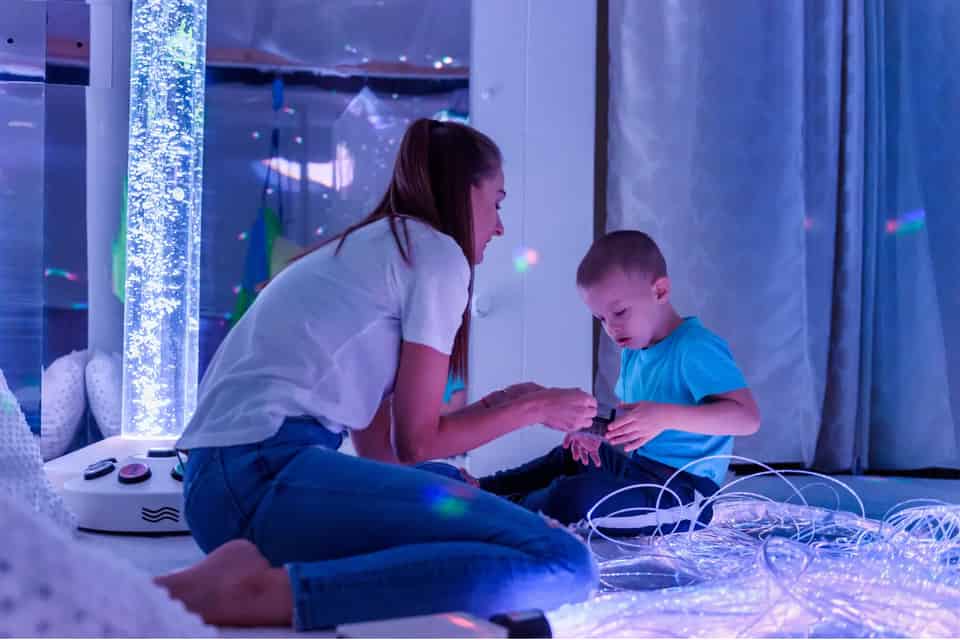
The Toronto Public Library in Canada offers a great example of how libraries can rethink their spaces to better support different sensory needs. Its sensory room is a dedicated environment designed to aid sensory processing, featuring mirrors, interactive lighting, heat-sensitive surfaces, tactile elements, balancing and rocking equipment, and musical vibrations. By engaging different senses, the space helps encourage communication, support self-regulation, and provide opportunities for children to interact and learn in a way that feels comfortable for them.
Discover the sensory room at Toronto Public Library →
Toronto Public Library reinforces an important point: creating accessible library spaces means considering the different ways people experience their surroundings.
Building an Inclusive Culture Through Staff Support
Accessibility is not only created through infrastructure and technology. Library staff will always be at the heart of every patron experience.
Staff training, awareness, and inclusive service practices help ensure that library users can access support when they need it, while still maintaining independence wherever possible.
Many libraries are investing in:
- Accessibility awareness training
- Support for assistive technology
- Staff guidance on inclusive communication
- Personalized assistance when needed
Infrastructure and technology can help break down barriers, but knowledgeable and understanding staff ensure that every visitor feels welcome and supported.
The Future of Accessibility in Libraries
The most accessible libraries are not those that simply meet accessibility standards. They are the ones that take the time to understand their communities, anticipate different needs, and actively remove barriers before users encounter them.
From inclusive building design and accessible technology to easy-to-understand information and sensory-friendly spaces, accessibility in libraries is becoming a fundamental part of creating better patron experiences.
For libraries, the goal is not just to make services available – it’s to make them usable, welcoming, and empowering for every member of the community.
Learn more about our approach to accessibility in libraries →