Case Story: Multnomah County Library
Keeping Shelves Full Across 19 Locations
“It’s saved us a huge amount of space because we don’t have to leave headroom everywhere, and it saves us all the shifting. That alone is like hundreds, thousands of hours a year. It’s labor that isn’t productive, it’s bad for people’s bodies, and it basically stinks. We’re super happy we’re not doing that anymore.”
Dave Ratliff, Integrated Services Director
The Challenge of Smaller Collections
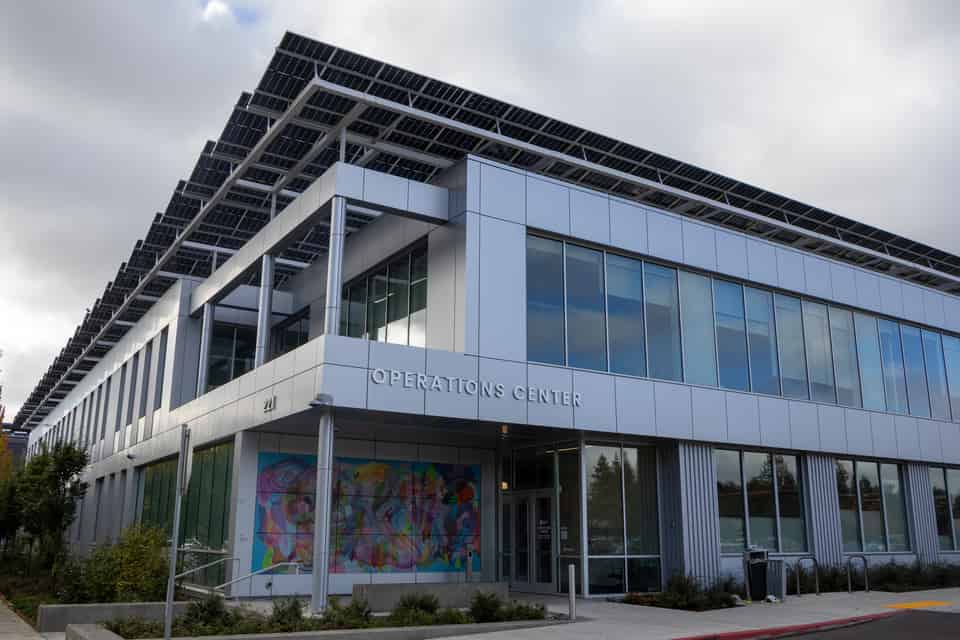
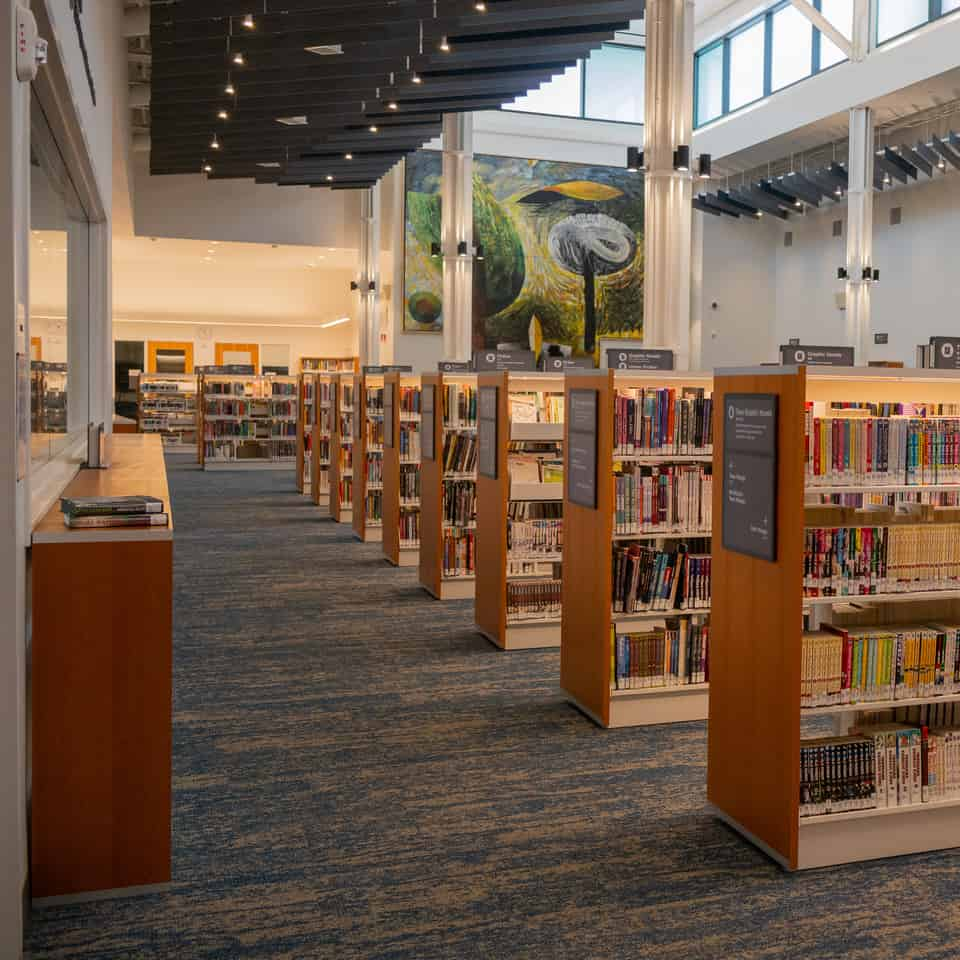
Multnomah County Library is one of the largest public library systems in the United States, with 19 locations and a central operations center. As part of a major remodeling project aimed at serving patrons in the best possible way, the library system faced a central challenge: how to keep collections strong in every branch while creating more space for people and community activities. At the same time, they needed to keep up with growing demand, circulating roughly 17 million items a year and serving a community that has the highest circulation per capita in the nation.
Previously, refilling shelves required a lot of manual work across both the branches and the operations center. Reducing the size of the local collection to make room for people and activities, the system would have needed a significant number of staff, potentially 20 or more employees, just to keep shelves full. That much labor would have taken staff away from direct service with patrons and absorbed hundreds of hours each year in repetitive, non-value-added tasks.
Dave Ratliff, Integrated Services Director at Multnomah County Library, recalls how the process worked in practice: “It was like, every time a library had empty shelves, they would call the operations center and say we need 26 books in this call number range. Please go get them for us. That was the only way we had to fill those empty spaces on shelves. And as collections got smaller, that process would only have grown worse.”
This challenge is exactly why the Intelligent Material Management System (IMMS™) became essential. Ratliff explains, “One of the reasons IMMS is so important to us is that if you’re going to have fewer shelves at the branches, they need to be full — and of course all the most popular books are exactly the ones that aren’t available. IMMS was really kind of essential for this model.”
The Journey to IMMS™
Staff at Multnomah had known about IMMS for years before the project began. As early plans for remodeling the library system took shape, it became clear that a smarter way of managing materials would be essential. The team anticipated that smaller collections at the branches would only work if shelves could be kept consistently full, and they saw IMMS as the solution.
Multnomah signed on as the pilot customer for the Symphony–IMMS integration in November 2022. From the start, the project was ambitious: it would not only introduce new technology but also reshape workflows across all locations.
Although the team was initially nervous about being the first library to integrate IMMS with SirsiDynix’s Symphony ILS, the collaboration exceeded expectations. In most projects, delays or miscommunications are common, but in this case the two teams worked together seamlessly. The integration process was smooth, and concerns about coordination never arose, which the library team described as surprisingly positive.
In August 2023, the core project team completed a week of intensive on-site IMMS training, joined by colleagues from SirsiDynix. Still, the path to go-live stretched out. Other large projects in the system demanded attention, and SirsiDynix was refining the integration in real time to ensure smooth operations.
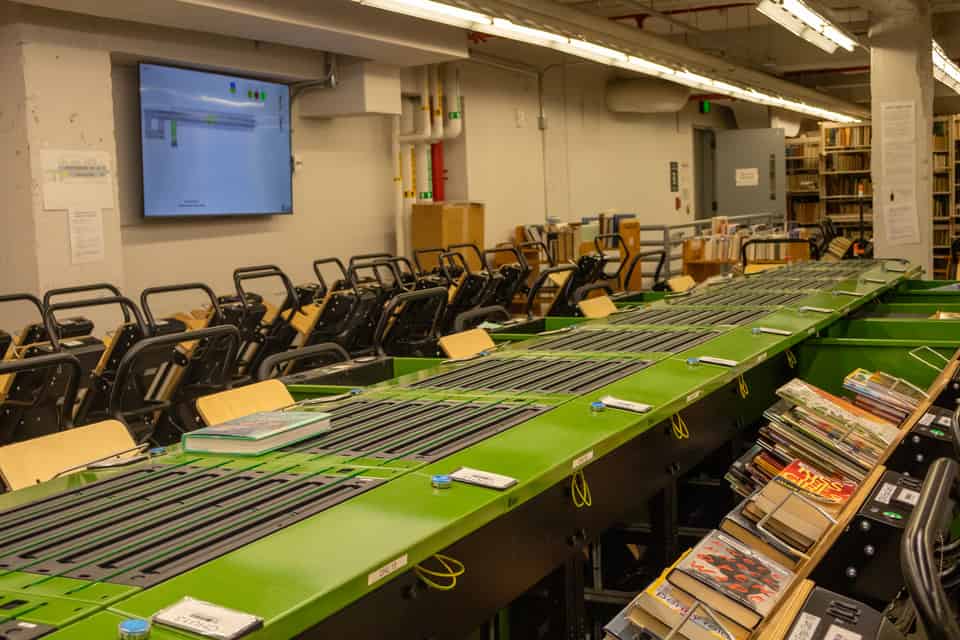
As part of the IMMS implementation, the library also established the largest media hotel of any Lyngsoe customer, with roughly 500,000 items stored across eight miles of shelving. This central storage allows the system to keep the number of items in individual branches lower while ensuring popular materials are always available to patrons.
After more than two years of preparation, Multnomah went live with IMMS in May 2025.

Managing Change and Building Trust
The long implementation was not just about the technology, it was also about people.
“The challenges were really all on our end. A lot of folks felt like their autonomy was being taken away and worried the shelves would automatically fill with things they did not like or want in their branch. There was a lot of angst and distrust of change,” says Dave Ratliff.
Having experienced several reorganizations and temporary branch closures over the past five years due to the remodel, staff initially saw the addition of IMMS™ as yet another disruption.
To address concerns, the project manager personally visited every branch, explained the system, and answered staff questions. At Central Library alone, that meant attending six different staff meetings to reach more than 150 employees. This clarity and consistency helped build trust in the process, and as the project progressed, staff began to realize that the things they had worried about were not really going to happen.
Early Impact
Though still in its early days, IMMS is already making a visible difference.
“It’s saved us a huge amount of space because we don’t have to leave headroom everywhere, and it saves us all the shifting. That alone is like hundreds, thousands of hours a year. It’s labor that isn’t productive, it’s bad for people’s bodies, and it basically stinks. We’re super happy we’re not doing that anymore,” Dave Ratliff explains.
Patrons may not notice the system at work - and that is the point.
“I talked to one of our retired librarians recently, and she was talking about how there aren’t as many books in the library. So I asked her: how often have you not been able to find something you were interested in reading on the shelf? How often have you had to put something on hold because nothing was available on your topic? And she went, oh, right. That hasn't happened. And I said, right — and there’s a reason for that. It looks invisible on your end, and it should. But on our end, that’s what all of this has been about. Literally years of work to make sure the book you want is there,” says Dave Ratliff.
Looking Ahead
The library team sees IMMS as the foundation for their evolving service model. With processes now in place, IMMS will even replace legacy tools.
“We’re going to be able to get rid our collection management tool because IMMS is going to do all the work we need in terms of reporting and end-of-life processing. That’s what we’ve been paying another company for years,” Dave Ratliff notes.
While the journey has only just begun, the direction is clear. IMMS is helping Multnomah County Library create a smarter, more sustainable system that keeps shelves full, saves staff time, and ensures patrons continue to find what they need.
Explore our Products and Solutions